
Understanding CBD: What It Is and How It Works
Cannabidiol Basics
Cannabidiol, commonly referred to as CBD, is one of more than 100 chemical compounds found in the cannabis plant. Unlike its more famous counterpart, tetrahydrocannabinol (THC), CBD is non-psychoactive, meaning it does not induce a “high.” This quality has made CBD increasingly popular amongst consumers seeking natural remedies for various health issues without the intoxicating effects associated with THC. CBD is primarily derived from hemp, a variety of cannabis that has been cultivated for centuries for its fibers and seeds.
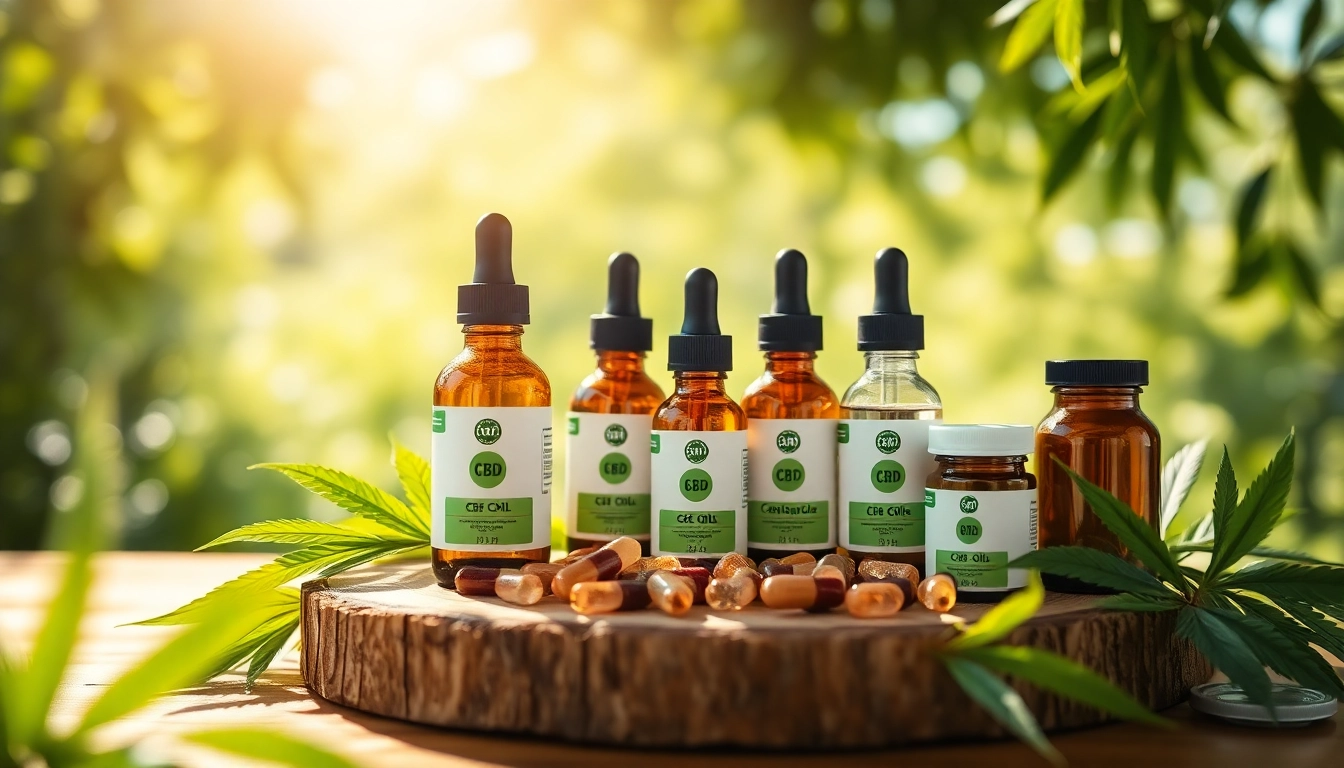
CBD is available in various forms, including oils, capsules, edibles, topicals, and more. The versatility of CBD products contributes to its widespread use and acceptance among consumers, making it one of the fastest-growing sectors in the wellness industry. Those interested in incorporating CBD into their routines should understand its fundamental workings and applications.
Endocannabinoid System and CBD
The endocannabinoid system (ECS) plays a crucial role in how CBD interacts with the body. This complex cell-signaling system is involved in regulating a variety of physiological processes, including mood, appetite, sleep, and immune response. The ECS consists of three main components: endocannabinoids, receptors, and enzymes. Endocannabinoids are naturally occurring lipids produced by the body, while receptors (CB1 and CB2) are found throughout the brain and body. Enzymes break down these endocannabinoids after they have fulfilled their purpose.
When CBD is introduced into the body, it interacts with ECS receptors, potentially enhancing the effects of naturally occurring cannabinoids. This interaction is thought to contribute to CBD’s therapeutic benefits, including stress relief, inflammation reduction, and overall sense of well-being.
Forms of CBD Products Available
CBD products come in various forms, each with its unique benefits and applications. Understanding the different types can help consumers decide which product aligns best with their needs. Here are some of the most common forms:
- CBD Oil/Tinctures: These are concentrated extracts of CBD, usually diluted in a carrier oil. They can be taken sublingually (under the tongue), offering quick absorption and nearly immediate effects.
- CBD Capsules: Ideal for those who prefer a simple, measured dose. Capsules ensure consistent dosages and are easy to incorporate into daily routines.
- CBD Edibles: Gummies, chocolates, and beverages infused with CBD provide a tasty option for consumers. Edibles require digestion before the effects are felt, making them slower-acting than oils or tinctures.
- CBD Topicals: Creams, balms, and lotions infused with CBD are applied directly to the skin. They are commonly used for localized pain relief and skin conditions.
- CBD Vapes: Vaping offers quick absorption via the lungs. However, this method may not appeal to everyone due to health concerns surrounding vaping.
Health Benefits of CBD: Exploring the Evidence
CBD for Anxiety and Stress Relief
One of the most well-studied benefits of CBD is its potential to alleviate anxiety. Many users report feeling calmer and more relaxed after taking CBD, without the sedative effects commonly associated with anxiety medications. Preliminary research suggests that CBD may alter the brain’s receptor responses to serotonin, a neurotransmitter known to regulate mood.
In addition to general anxiety, studies indicate that CBD may help with social anxiety disorder and post-traumatic stress disorder (PTSD). For individuals who experience debilitating anxiety that interferes with their daily lives, CBD could offer a natural alternative to traditional pharmaceutical treatments, allowing for a more holistic approach to mental health management.
CBD and Pain Management
A significant body of research indicates that CBD may offer pain-relief properties. This aspect makes it a potential alternative for individuals with chronic pain conditions such as arthritis, migraines, and fibromyalgia. CBD’s anti-inflammatory properties may contribute to its effectiveness as a pain management tool.
CBD interacts with the ECS and other brain receptors known to modulate pain perception. Additionally, many athletes and fitness enthusiasts have begun using CBD to alleviate soreness and muscle recovery post-exercise, enhancing overall performance and well-being.
Potential Benefits for Sleep Disorders
Many individuals struggle with sleep disorders such as insomnia, leading to challenges with maintaining overall health and productivity. CBD shows promise in promoting sleep by addressing underlying causes of insomnia, such as anxiety and pain. Some studies indicate that CBD may help improve sleep quality and increase total sleep time.
As further research emerges, consumers exploring CBD as a sleep aid should consider their specific sleep issues and how CBD could potentially offer targeted support based on individual needs. Integrating CBD into a bedtime routine may turn out to be a beneficial practice for sleep health.
Safe Usage: Dosage and Administration Guidelines
Recommended CBD Dosage
Determining the correct CBD dosage can be challenging, as it largely depends on individual factors such as body weight, metabolism, and the condition being treated. There is currently no standard dosage, making it essential for users to start with a lower dose and gradually increase it based on their body’s response.
Starting with a dose of 5-10 mg of CBD is a common recommendation. Users can then assess their effects and, if necessary, incrementally increase their dose by 5-10 mg every few weeks until desired results are achieved. It is essential to consult with a healthcare provider for personalized dosage recommendations, particularly for individuals taking other medications.
Administration Methods of CBD
CBD can be administered through various methods, each providing different onset times and effectiveness. Choosing the right method is crucial for achieving desired effects. Here are the most common administration methods:
- Sublingual: Placing CBD oil or tinctures under the tongue allows for rapid absorption into the bloodstream, providing quick effects.
- Oral: Capsules and edibles are ingested and metabolized. While this method may take longer for effects to be felt, it provides a longer-lasting experience.
- Topical: Applying CBD creams and balms allows for localized effects directly where it’s needed, making it suitable for joint and muscle relief.
- Inhalation: Vaping or smoking CBD delivers effects very quickly. However, potential risks associated with inhalation methods should be considered.
Potential Side Effects and Risks
While CBD is generally considered safe, some users may experience side effects, including dry mouth, changes in appetite, fatigue, and diarrhea. It is also vital to be mindful of potential interactions with other medications. Individuals considering CBD should speak with a healthcare professional, especially if they are pregnant, nursing, or have a pre-existing medical condition.
Being informed about potential side effects can help users make educated decisions regarding their CBD consumption, ensuring a safe and beneficial experience.
Legal Considerations Surrounding CBD Products
Regulatory Status of CBD
The legal status of CBD varies significantly across regions and continues to evolve. In the United States, the passage of the Farm Bill in 2018 legalized hemp cultivation and the sale of CBD derived from hemp, provided it contains less than 0.3% THC. However, state laws can differ, and some states have more stringent regulations on CBD use. Understanding the legal landscape is essential for consumers before purchasing CBD products.
Differences Between CBD and THC
While both CBD and THC are cannabinoids found in cannabis, their effects and regulatory status differ greatly. THC is the psychoactive compound responsible for the “high” associated with marijuana use, making it illegal in many regions. In contrast, CBD is non-psychoactive, allowing it to be more widely accepted and legal. Understanding these differences can help consumers navigate the complex landscape of cannabis products effectively.
State-Specific Laws to Be Aware Of
Each state in the U.S. has its set of laws governing the use of CBD. Some states have embraced hemp-derived CBD products thoroughly, while others maintain strict regulations or outright bans. It is crucial for consumers to check their respective state regulations regarding the purchase, possession, and use of CBD products. Additionally, traveling with CBD across state lines can introduce legal complications, so proper research should precede any travel.
Choosing Quality CBD Products: What to Look For
Understanding Lab Testing and Certificates of Analysis
Quality assurance in the CBD industry is paramount. Consumers should seek products that have undergone third-party lab testing, ensuring that they contain the advertised amount of CBD and are free from contaminants such as heavy metals, pesticides, and solvents. Certificates of Analysis (CoA) from reputable laboratories provide transparency and evidence of a product’s quality, allowing consumers to make informed choices.
Identifying Reputable Brands
With the proliferation of CBD products in the market, discerning reputable brands from those that do not uphold quality standards can be challenging. Consumers should look for brands that offer clear labeling, comprehensive ingredient lists, and a commitment to sustainable and ethical sourcing practices. Reading customer reviews and seeking recommendations from trusted sources can also assist in identifying trustworthy brands.
Packaging, Labeling, and Ingredient Transparency
Packaging and labeling play essential roles in consumer safety and education. Quality CBD products should include comprehensive information about the product, including the CBD content, serving size, usage instructions, and potential allergens. Transparency regarding sourcing and extraction methods further enhances consumer confidence and allows for informed decision-making.


