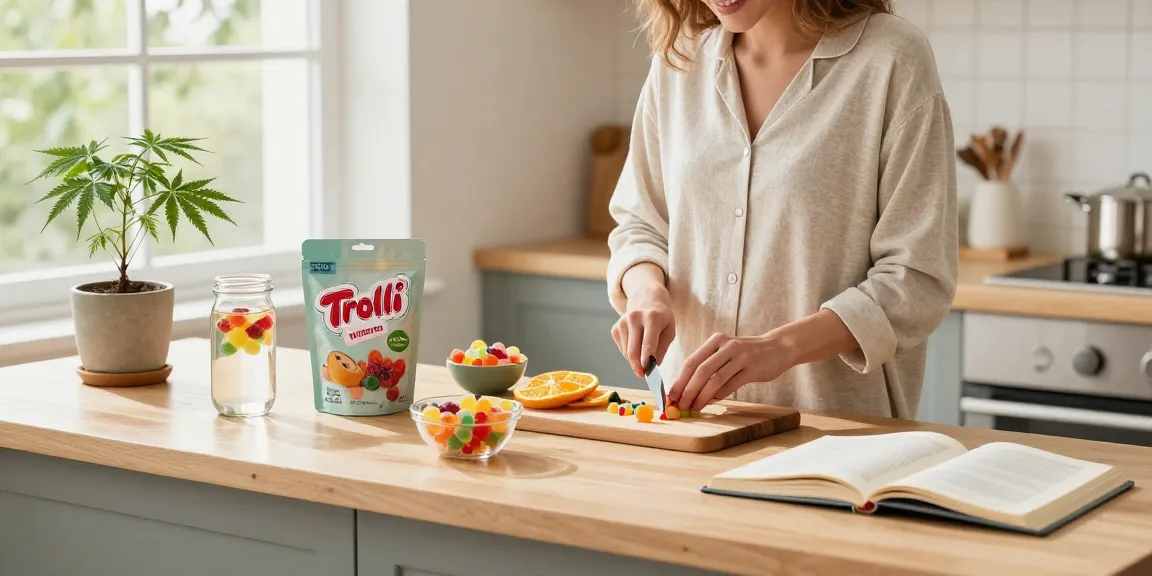
Understanding Edibles: The Basics of Consumption
As the wellness industry continues to expand, many individuals are exploring alternative methods to enhance their health and well-being. One such option that has gained substantial popularity is the use of edibles. These cannabis-infused treats provide a discreet and flavorful way to experience the benefits of cannabinoids, primarily THC and CBD. By understanding how edibles work, their benefits, and best practices for consumption, users can enjoy a safer and more gratifying experience.
What Are Edibles?
Edibles are food products infused with cannabinoids, such as tetrahydrocannabinol (THC) and cannabidiol (CBD). These can come in various forms, including gummies, chocolates, cookies, beverages, and more. Unlike smoking or vaping cannabis, which delivers THC directly into the bloodstream via the lungs, edibles undergo a different metabolic process. The cannabinoids first pass through the digestive system and then are processed by the liver, leading to various effects and benefits unique to this consumption method.
How Edibles Work in the Body
When consumed, edibles are metabolized by the liver, where THC is converted into a more potent form known as 11-hydroxy-THC. This process can produce a more intense psychoactive effect than inhalation, as well as a prolonged duration of effects. The onset time for edibles typically ranges from 30 minutes to 2 hours, depending on several factors such as metabolism, body weight, and whether they are consumed on an empty stomach. Understanding these dynamics is crucial for responsible consumption.
Common Types of Edibles Available
- Gummies: Perhaps the most widely recognized form, cannabis gummies come in various flavors and potency levels.
- Chocolates: Infused chocolate bars or bites offer a delicious way to enjoy cannabinoids.
- Capsules: Providing a precise dosage, capsules are perfect for those seeking a more refined experience.
- Beverages: From infused sparkling waters to teas, these allow consumers to enjoy their cannabinoids in liquid form.
The Benefits of Edibles for Wellness
Edibles not only enhance your experience of natural compounds found in cannabis but also provide numerous wellness benefits that many users seek. They are not just a means of obtaining a psychoactive effect; they can play a role in overall health strategies and wellness plans.
Health Benefits of CBD-Infused Edibles
CBD-infused edibles offer a variety of potential health benefits. Research has indicated that CBD may help manage anxiety, reduce stress levels, and promote relaxation, making it an appealing choice for many individuals looking to enhance their mental well-being. Additionally, edibles can support pain relief and inflammation reduction, which is beneficial for those dealing with chronic pain conditions.
Therapeutic Applications of Edibles
Beyond the general health benefits, edibles can serve specific therapeutic purposes. For instance, those suffering from insomnia may find that high-CBD or balanced CBD-THC edibles help improve their sleep quality. Similarly, individuals undergoing chemotherapy often report nausea and loss of appetite, which can be alleviated through the consumption of edibles designed to stimulate appetite and reduce nausea. These applications are supported by ongoing research in the field of cannabinoid therapy.
Edibles vs Other Consumption Methods
The choice between edibles and other consumption methods, such as smoking or vaping, depends entirely on individual preferences and health considerations. While smoking cannabis delivers rapid effects, leading to immediate relief, edibles provide prolonged effects that can last for several hours. This makes edibles a practical choice for those seeking sustained relief from symptoms without frequent re-dosing. However, the delayed onset time can pose risks of overconsumption, underscoring the importance of patience and mindful consumption.
Key Considerations When Using Edibles
Dosage Guidelines for Edibles
The key to a satisfying edible experience is understanding proper dosing. Beginners are generally advised to start with a low dose of around 5-10 mg of THC and wait at least 2 hours before consuming more. Individual responses to THC can vary widely based on factors like body weight and tolerance levels. It's essential to respect your body's limits and ensure you have an adequate environment for consumption.
Understanding Onset Time and Duration of Effects
With edibles, the onset of effects can vary significantly. As previously mentioned, it may take anywhere from 30 minutes to 2 hours to experience the high, which often lasts from 4 to 8 hours due to the slower metabolic processing. This contrasts sharply with the rapid onset associated with inhalation methods, which typically peak within 30 minutes but dissipate quickly.
Tips for Safe Consumption of Edibles
- Start low and go slow: Begin with a low dosage until you understand how your body reacts.
- Eat before you indulge: Consuming edibles on an empty stomach can lead to stronger effects. A small meal with fat can enhance absorption.
- Store safely: Keep edibles in child-proof containers away from light and heat to maintain potency.
Quality and Safety of Edibles
How to Identify High-Quality Edibles
Choosing high-quality edibles is crucial for both safety and effectiveness. Look for products from reputable brands that offer clear labeling, including cannabinoid content, ingredients, and serving sizes. Certifications and customer reviews can provide additional assurance of product quality.
The Importance of Third-Party Testing and COA
Third-party testing is a critical step in ensuring edible products are free from contaminants and accurately labeled. A Certificate of Analysis (COA) should be available upon request, indicating that the product has been tested for potency, pesticides, heavy metals, and microorganisms. Understanding how to read and interpret these lab reports empowers consumers to make educated choices.
Legal Status and Compliance for Edibles in 2026
As of 2026, the legal landscape for hemp-derived cannabis and edibles has evolved significantly. Following the 2018 Farm Bill, many states have established their regulations regarding THC limits and labeling standards. Individuals should familiarize themselves with local laws to ensure compliance and safety. It's essential to stay updated on the FDA's position, especially regarding health claims and future regulations that may impact the availability of edibles in the market.
Frequently Asked Questions about Edibles
What are the common side effects of edibles?
Common side effects of edible consumption include drowsiness, dry mouth, and changes in appetite. Some users may experience anxiety or paranoia, especially if they've consumed too high a dose.
How long do the effects of edibles last?
Generally, the effects of edibles can last anywhere from 4 to 8 hours, depending on the dosage and the individual's metabolism. Factors such as body weight, tolerance levels, and the presence of food in the stomach can influence how long the effects may be felt.
Can I overdose on edibles?
While overdosing on edibles is generally not life-threatening, consuming too much can lead to uncomfortable experiences such as heightened anxiety and panic attacks. If overconsumption occurs, it's important to remain calm, hydrate, and rest in a comfortable environment until effects lessen.
Are edibles safe for beginners?
Edibles can be safe for beginners if consumed responsibly. It is advisable to start with a low dose and wait to evaluate the effects before consuming more. Taking steps to educate oneself about dosing and onset times can significantly improve the experience.
How should I store my edibles for longevity?
To preserve the efficacy of edibles, they should be stored in a cool, dark place away from heat and light. Keeping them in their child-proof packaging can also help to maintain potency and prevent accidental consumption by children or pets.