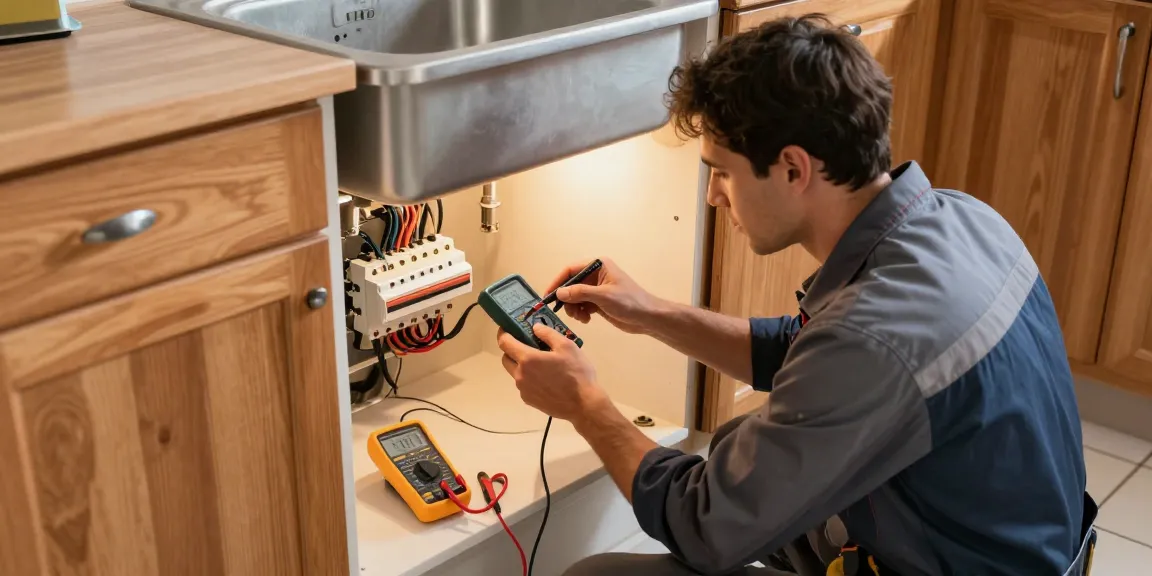
Understanding the Role of Emergency Electricians
In today's fast-paced world, ensuring the safety and functionality of our electrical systems is paramount. Emergency electricians play a crucial role in addressing electrical issues that pose immediate threats to life and property. Their expertise is not only vital during crises but also in preventing potential hazards before they escalate. When exploring options, read more here to understand how they can assist in various situations.
What Defines an Emergency Electrician?
An emergency electrician is a licensed professional who specializes in handling urgent electrical repairs and installations. These electricians are available 24/7 to resolve issues that cannot wait, such as power outages, electrical fires, or problems that threaten the safety of occupants. Their fast response times and advanced skills are what differentiate them from regular electricians.
Common Situations Requiring Immediate Electrical Help
Several scenarios necessitate the immediate attention of an emergency electrician, including:
- Power Outages: Sudden loss of power can indicate serious wiring issues or transformer problems.
- Flickering Lights: This could be a sign of faulty wiring or overloaded circuits.
- Sparking Outlets: This is a clear indication of hazardous electrical conditions.
- Electrical Fires: Immediate action is required to prevent property damage and ensure safety.
Key Qualifications of a Professional Electrician
To ensure safety and quality work, professional electricians should possess certain qualifications:
- State license and insurance
- Relevant certifications and training in electrical systems
- Experience in emergency electrical work
- Strong problem-solving skills and knowledge of safety protocols
Identifying Electrical Risks in Your Home
Recognizing potential electrical risks in your residence is the first step towards ensuring safety. By understanding common hazards, homeowners can take preventive measures to mitigate them effectively.
Signs of Potential Electrical Hazard
Homeowners should be vigilant for signs of electrical hazards, including:
- Burning or unusual smells from outlets
- Frequent tripping of circuit breakers
- Warm or discolored outlets and switches
- Buzzing sounds from electrical panels or wiring
Preventive Measures for Homeowners
There are several proactive measures homeowners can take to reduce the risk of electrical hazards:
- Regular inspections of electrical systems and wiring
- Upgrading old wiring to meet current safety standards
- Installing surge protectors to guard against voltage spikes
- Keeping electrical appliances away from water sources
Using Technology to Monitor Electrical Systems
Modern technology offers several solutions for monitoring electrical systems. Smart home devices can provide real-time data about energy usage, alerting homeowners to abnormal patterns that could indicate potential issues. Additionally, apps designed for electrical safety can help in tracking electrical performance and scheduling maintenance.
How to Choose the Right Emergency Electrician
Choosing the right emergency electrician is crucial for ensuring safety and effective problem resolution. Here are essential factors to consider when making your selection.
Assessing Credentials and Experience
Verify that the electrician holds a valid license and has experience in emergency situations. Ask for proof of insurance and request a list of previous clients to gauge their reliability.
Reading Reviews and Testimonials
Online reviews and testimonials can provide valuable insight into an electrician's reputation. Look for detailed accounts of past jobs to assess their expertise and customer service quality.
Obtaining Quotes Before Emergency Situations
It’s advisable to obtain quotes from several electricians before you encounter an emergency. This will not only give you an idea of pricing but also allow you to evaluate their responsiveness and professionalism.
Best Practices for Managing Electrical Emergencies
In the event of an electrical emergency, knowing how to respond can save lives and property. Here are some recommended best practices.
Immediate Steps to Take in an Electrical Crisis
Should you find yourself facing an electrical emergency, follow these immediate steps:
- Switch off the power supply at the circuit breaker.
- Evacuate the premises if there is smoke or fire.
- Contact an emergency electrician immediately.
Tools and Resources to Have at Hand
Being prepared can make a significant difference during an electrical emergency. Keep the following tools readily available:
- Flashlights with extra batteries
- Multi-tool or knife for cutting wires
- Basic first aid kit
- Emergency contact numbers for electricians and services
How to Communicate Effectively with Your Electrician
When contacting your electrician, provide clear and detailed information about the issue. Describe any unusual sounds, smells, or occurrences you've noticed, and inform them of any safety concerns you may have.
Future Trends in Electrical Safety and Emergency Services
As technology evolves, so does the landscape of electrical safety and services. Understanding upcoming trends will help homeowners stay informed and ready.
Emerging Technologies in Electrical Repairs
Technologies such as drone inspections and augmented reality are making their way into the field of electrical repairs. Drones can assess hard-to-reach areas, while augmented reality offers electricians detailed blueprints and troubleshooting assistance on-site.
Trends Shaping the Future of Electrical Safety in 2026
By 2026, we can expect advancements in safety protocols, along with improved training for electricians focusing on renewable energy sources. These changes will make residential and commercial electrical systems safer and more efficient.
Community Resources for Ongoing Electrical Education
Local workshops, online courses, and community seminars can enhance your knowledge of electrical safety. Engaging with these resources not only empowers you as a homeowner but also contributes to broader community safety.
What should I do if I find an electrical hazard?
If you encounter an electrical hazard, immediately cease using any affected appliances or outlets and contact a qualified electrician for an inspection.
How can I prepare my home for electrical emergencies?
Ensure all circuits are up to code, install surge protectors, and have an emergency electrician's contact information readily available to minimize risks associated with electrical emergencies.
What qualifications should I look for in an electrician?
Look for credentials such as a valid state license, insurance coverage, and specialized training in emergency situations to ensure you hire a reliable electrician.
How do I evaluate an electrician’s reliability?
Investigate their track record through online reviews, ask for references, and assess their response time to inquiries and emergencies.