
Understanding Sports Broadcasting
Definition and Importance of Sports Broadcasting
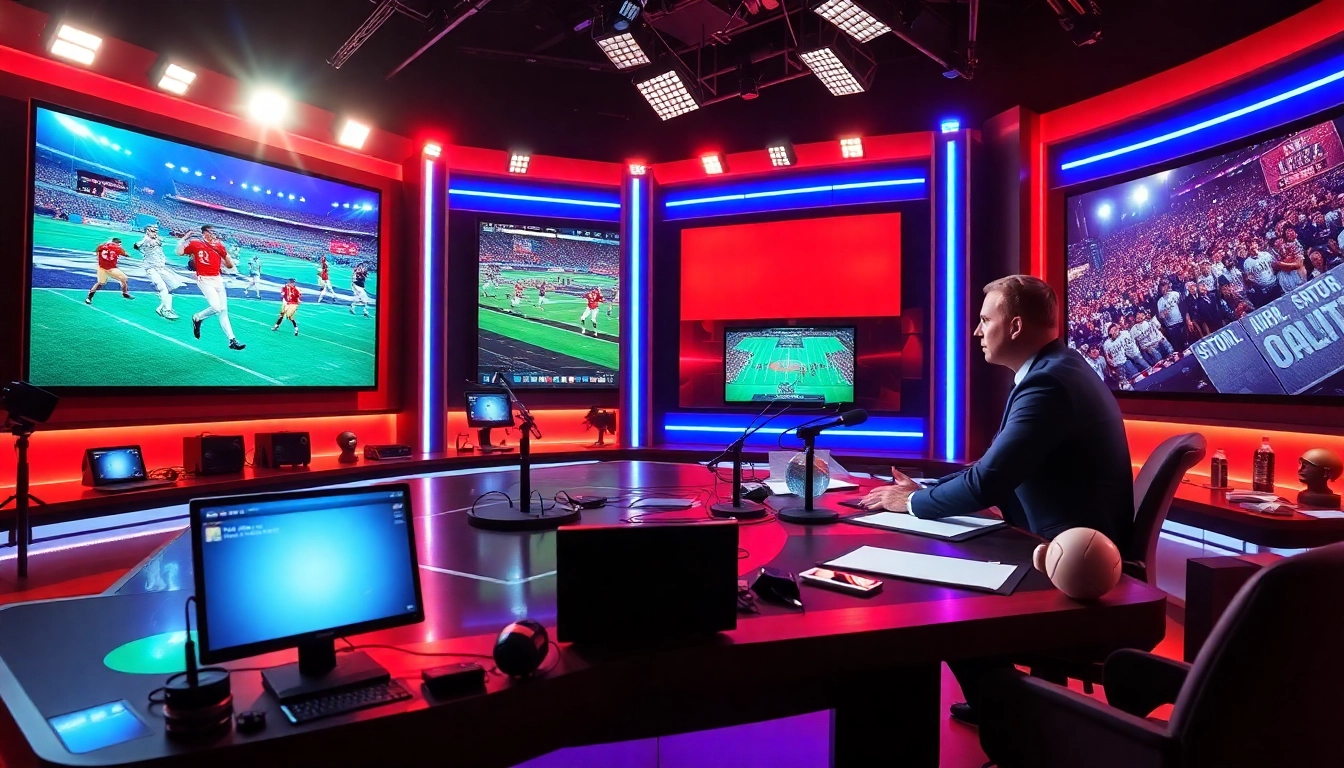
Sports Broadcasting refers to the live transmission of sports events via television, radio, or online platforms. This process engages viewers by bringing them real-time action from across the globe, enhancing their connection to their favorite teams and athletes. The significance of Sports Broadcasting lies not only in entertainment but also in its ability to provide crucial updates, promote sports culture, and contribute to the economic viability of sports organizations. By facilitating broader audience reach, sports broadcasting plays a vital role in marketing, sponsorship, and overall sports engagement.
Evolution of Sports Broadcasting
The journey of sports broadcasting began in the early 20th century, primarily through radio. As technology progressed, television emerged in the 1930s, revolutionizing how fans consumed sports content. The advent of color broadcasting in the 1960s enhanced viewer experiences, marking a significant milestone. With the turn of the millennium, digital platforms took center stage. Streaming services have since disrupted traditional broadcasting, offering flexibility and accessibility to viewers who seek content on their terms.
Key Players in Sports Broadcasting
The sports broadcasting landscape comprises various stakeholders, including networks, production companies, and digital platforms. Major television networks have historically dominated, but the rise of online streaming platforms has democratized the field. Sports leagues and teams also play a pivotal role in this ecosystem by negotiating broadcasting rights, ensuring that fans have access to live events. Advertisers and sponsors are critical to the financial health of sports broadcasting, contributing to the economics of production and distribution.
Technology Behind Sports Broadcasting
Equipment Used in Sports Broadcasting
At the core of sports broadcasting technology is a range of sophisticated equipment designed to capture and transmit high-quality images and sound. High-definition cameras, drones, and RF cameras allow broadcasters to provide diverse viewpoints and in-depth coverage of live events. Additionally, audio equipment ensures that commentary and match sounds are clear and engaging. The integration of graphics and data-enhancement software further enriches the viewing experience, delivering real-time statistics and insights to enhance audience engagement.
Emerging Technologies Shaping Sports Broadcasting
As technology evolves, so does its application in sports broadcasting. Innovations like 5G networks are set to dramatically improve streaming quality and reduce latency, allowing for seamless connections and real-time updates. Augmented reality (AR) and virtual reality (VR) technologies are also making headway, offering immersive experiences that connect fans to the event like never before. These advancements push broadcasters to continuously refine their technologies to meet the expectations of an increasingly demanding audience.
The Role of Streaming Services in Sports Broadcasting
Streaming services have altered the dynamics of sports broadcasting, providing flexibility that traditional broadcast networks cannot match. Viewers can now watch games on various devices, interact with content, and enjoy personalized viewing experiences. This shift has prompted established networks to pivot towards digital platforms, developing their streaming services to retain viewer engagement. As sports fans increasingly favor on-demand content, the integration of features such as multi-camera angles and interactive statistics has become essential.
Content Creation in Sports Broadcasting
Preparing for a Live Sports Broadcast
Successful live sports broadcasting hinges on meticulous preparation and planning. Broadcasters must develop a comprehensive production schedule outlining timelines, commentary, and technical setups. This includes coordination with teams for interviews, securing access to athletes, and engaging in extensive market research to tailor content to audience interests. Rigorous rehearsals and dry runs help ensure that all equipment functions flawlessly, reducing the risk of unexpected complications during the live broadcast.
Scriptwriting and Production Planning
Scriptwriting for sports broadcasts involves not only the commentary but also the organization of the overall narrative. Broadcasters must strive to balance informative content with entertaining commentary to keep viewers engaged from start to finish. Production planning is equally crucial; it involves defining roles for each crew member and establishing clear communication protocols. This structured approach enables real-time adaptability, which is essential for addressing the spontaneous nature of live sports broadcasts.
Engaging Your Audience in Sports Broadcasting
Engagement is fundamental to successful broadcasting. Broadcasters utilize various tools to maintain audience interest, such as interactive graphics, live polls, and social media integration. Engaging audiences in conversation not only increases viewership but also fosters a sense of community among fans. Broadcasters also analyze viewer metrics and feedback to fine-tune their approach, ensuring the content remains relevant and appealing to diverse audience demographics.
Challenges in Sports Broadcasting
Overcoming Technical Difficulties
Technical difficulties can disrupt a broadcast and negatively affect viewer experience. To mitigate these issues, broadcasters must conduct thorough equipment checks, use robust backup systems, and employ skilled technicians who can swiftly address problems as they arise. Regular training in technology updates and troubleshooting techniques is vital to ensure that the crew can handle unexpected challenges during live broadcasts.
Adapting to Changing Viewer Habits
The way audiences consume content has changed significantly, with many viewers favoring mobile devices and on-demand options over traditional cable. Broadcasters must adapt their strategies to cater to these changing habits, experimenting with formats such as short highlight reels and social media snippets that can capture audience attention in brief spans. Understanding demographics and creating targeted content can help broadcasters maintain and grow their viewer base.
Legal and Ethical Considerations in Sports Broadcasting
Broadcasting rights and regulations present unique challenges for sports broadcasters. Adhering to these legal frameworks is essential to avoid penalties and ensure compliance. Moreover, ethical considerations regarding advertising and sponsorships also come into play, as broadcasters must maintain integrity in representing athletes and promoting healthy engagement. Transparency in sponsorship disclosures is critical to fostering trust and goodwill with audiences.
Future Trends in Sports Broadcasting
Impact of Virtual Reality on Sports Broadcasting
Virtual reality (VR) is poised to revolutionize sports broadcasting, creating immersive experiences that allow fans to feel as though they are part of the action. VR technology facilitates innovations such as virtual stadium tours and interactive viewing experiences where fans can choose their perspective during live broadcasts. These innovations not only captivate existing fans but also attract a younger audience eager for unique experiences.
Growing Popularity of Interactive Broadcasting
Interactivity is becoming a standard expectation in sports broadcasting. Innovations such as real-time statistics, instant replay options, and viewer-controlled camera angles are enhancing engagement. Broadcasters are encouraged to integrate more interactive elements that allow fans to influence how they consume the content, leading to more personalized viewing experiences. This trend reflects a broader shift towards participatory content in the digital age.
Preparing for the Future of Sports Broadcasting
As the landscape of sports broadcasting continues to evolve, staying ahead of technological and audience trends is crucial. Broadcasters should invest in research and development to explore emerging technologies and audience preferences. Collaborations with tech companies can lead to breakthroughs that redefine viewer experience. Moreover, ongoing training and adaptation are essential for teams to navigate the digital streaming environment successfully.
FAQs
What is Sports Broadcasting?
Sports Broadcasting is the live transmission of sports events through TV, radio, or online platforms to engage viewers.
What technologies are used in Sports Broadcasting?
Common technologies include high-definition cameras, satellite transmission equipment, and streaming platforms to deliver content.
How has Sports Broadcasting evolved over time?
Sports Broadcasting has evolved from radio broadcasts to the use of digital platforms, enhancing viewer experiences with real-time updates.
What challenges do broadcasters face?
Challenges include technical difficulties, viewer engagement, and compliance with broadcasting rights and regulations.
What trends are shaping the future of Sports Broadcasting?
Future trends include the incorporation of virtual reality, interactive elements, and the growing influence of streaming services.