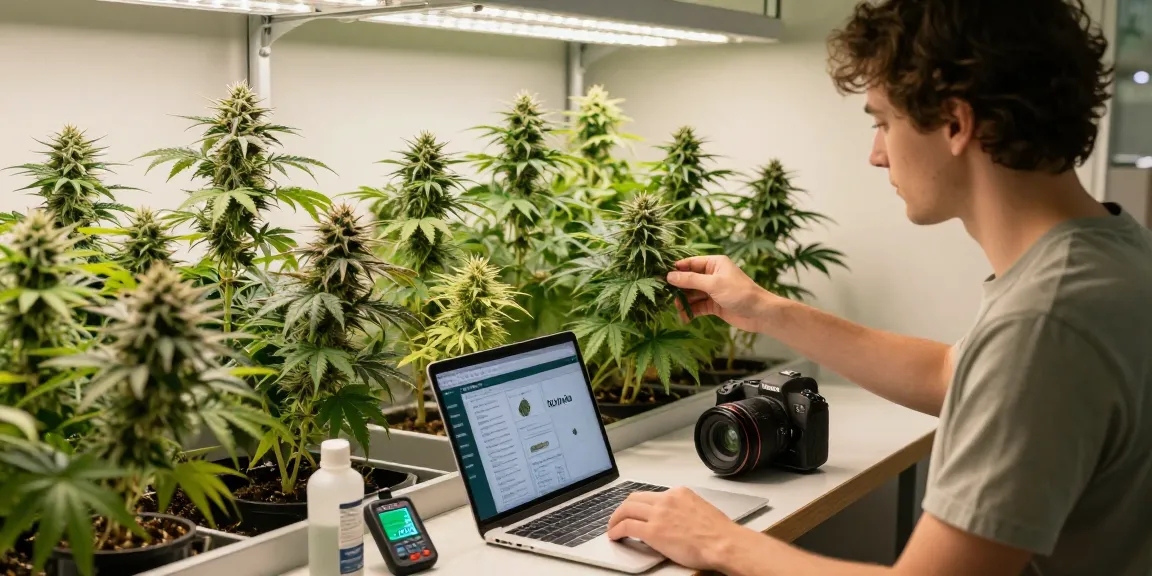
Understanding CBD: Benefits and Therapeutic Uses
As a natural compound derived from the hemp plant, Cannabidiol (CBD) has garnered significant attention in recent years, thanks to its potential wellness benefits. Research suggests that CBD may interact with the endocannabinoid system (ECS) in our bodies, promoting balance and overall well-being. Firebudz, with over 20 years of experience, stands out as a trusted online dispensary delivery platform where customers can find a wide array of high-quality CBD products. Understanding the science behind CBD and its therapeutic applications is essential for anyone looking to enhance their wellness journey.
Health Benefits of CBD for Everyday Wellness
CBD is being extensively studied for its potential benefits in various aspects of health and wellness. Current research suggests that it may help alleviate symptoms in individuals facing:
- Anxiety: Many users report feeling calmer and more relaxed after using CBD, making it a popular adjunct therapy for anxiety management.
- Sleep Disorders: CBD may assist in improving sleep quality by addressing issues such as insomnia or sleep disruptions, leading to better overall health.
- Pain and Inflammation: CBD’s anti-inflammatory properties may aid in the relief of chronic pain or discomfort associated with conditions like arthritis.
Therapeutic Applications in Pain Management
In pain management, CBD's ability to interact with cannabinoid receptors in the ECS may reduce pain perception and inflammation. Preliminary studies indicate that CBD could have advantages over traditional analgesics due to its lower side effect profile. For chronic pain conditions, such as fibromyalgia or multiple sclerosis, many patients find that integrating CBD into their regimen provides substantial relief.
The Role of CBD in Stress and Anxiety Relief
Studies have shown that CBD may modulate serotonin receptors in the brain, which can lead to a reduction in anxiety symptoms. By allowing users to feel more at ease and less stressed, CBD has a unique potential to boost overall mental health. For those seeking reliable options for stress relief, exploring online dispensary delivery allows access to well-researched and transparently sourced products.
Exploring Different CBD Product Types and Delivery Methods
When it comes to incorporating CBD into your lifestyle, understanding the different product types and their delivery methods is crucial. Each format offers distinct advantages depending on individual preferences and wellness goals.
Key Varieties: Oils, Edibles, and Topicals
CBD products are available in various formats, including oils, edibles, and topicals:
- CBD Oils and Tinctures: These offer a versatile method of consumption. Users can take them sublingually for faster effects or mix them into food for gradual absorption.
- Edibles: Gummies, capsules, and beverages provide a discreet and enjoyable way to consume CBD. Absorption rates and effects can vary significantly based on the digestive system.
- Topicals: Creams, balms, and patches can be applied directly to the skin for localized relief, making them ideal for targeted pain or inflammation.
What You Need to Know About Vaping CBD
Vaping CBD has become increasingly popular due to its efficiency and rapid onset of effects. Inhalation allows CBD to enter the bloodstream quickly, providing immediate benefits, which can be particularly useful for those managing acute anxiety or pain. It is essential to choose high-quality vape products, such as CBD vape juice or cartridges, to ensure safety and effectiveness.
Evaluating Bioavailability Across Product Formats
Bioavailability refers to the proportion of a substance that enters circulation when introduced into the body and can have significant implications for how effective CBD will be. For example, vaporized CBD has a higher bioavailability than edibles, making it a preferred choice for users seeking immediate relief. Understanding bioavailability helps consumers make more informed choices regarding their CBD intake.
Dosage Guidelines: How to Use CBD Effectively
Determining the right dosage of CBD can vary greatly from person to person. Factors such as body weight, the severity of the condition being treated, and individual tolerance levels play a role in finding the appropriate dosage.
Calculating Your Ideal CBD Dose
Many experts recommend starting low and going slow — starting with a small dose and adjusting gradually until the desired effects are achieved. A common starting point is 5-10 mg of CBD daily, which can be modified based on personal needs and responses.
Titration Techniques for New Users
Titration involves systematically adjusting your dose, allowing you to discover the amount that provides the best results without adverse effects. As a new user, it's essential to wait several hours to gauge how your body reacts before increasing the dose.
Maximizing Benefits Through Consistent Usage
For optimal results, it is advisable to use CBD products consistently over time. Daily intake can help regulate your body’s endocannabinoid system, providing enduring benefits that accumulate with regular use.
Quality Standards: Recognizing Safe and Effective Cannabis Products
In an unregulated market, recognizing quality is critical. Consumers should prioritize products that adhere to strict manufacturing standards and provide transparency regarding ingredients and testing protocols.
Understanding Certificates of Analysis (COA)
A Certificate of Analysis (COA) is a document that details the specific cannabinoid and terpene profiles of a product, along with testing for contaminants. High-quality brands typically provide COAs, allowing consumers to verify the potency and safety of what they are purchasing.
Importance of Third-Party Testing
Third-party testing is crucial in ensuring the integrity of CBD products. Independent laboratories assess samples for potency, pesticides, heavy metals, and microbial content. Consumers should look for clear, accessible lab results to confirm product quality.
Identifying Reputable CBD Brands
When choosing a CBD brand, look for those that emphasize transparency, high-quality sourcing of hemp, and good manufacturing practices (GMP). Brands that are open about their extraction methods and ingredient sourcing generally reflect a commitment to quality.
Legal Landscape in 2026: Compliance and Regulations
As the CBD market continues to evolve, understanding the legal landscape is essential. Compliance with regulations ensures that consumers can safely enjoy CBD products without legal repercussions.
Current Legal Status of CBD and THC
Since the passing of the 2018 Farm Bill, hemp-derived CBD products have been federally legalized, provided they contain less than 0.3% THC. However, individual states may have varying regulations regarding the sale and possession of these products, making it essential for consumers to stay informed.
Future Trends in Cannabis Legislation
With the growing acceptance of CBD and cannabis in new markets, future regulations may continue to evolve. Keeping abreast of changes in legislation will help consumers make informed decisions about their cannabis use.
Consumer Rights and Safety Standards
Consumers have the right to safe and effective products. As an ongoing effort in the industry, advocacy for stricter regulations and higher safety standards continues to grow.
Frequently Asked Questions
What is the difference between CBD and THC?
CBD and THC are both cannabinoids found in the cannabis plant. CBD is non-psychoactive, meaning it does not produce a "high," whereas THC is the compound responsible for the intoxicating effects of marijuana. Understanding these differences is crucial for consumers when choosing products to suit their needs.
Are there any side effects of using CBD products?
While CBD is generally considered safe, some users may experience side effects such as drowsiness, dry mouth, or digestive changes. Consulting with a healthcare professional before use is advisable, particularly for those on medication.
How can I verify the quality of my CBD products?
Quality verification involves checking for a COA from third-party labs and looking for indicators of quality such as organic certification, and absence of harmful contaminants.
What should I look for in a Certificate of Analysis?
Key components in a COA include cannabinoid content, presence of terpenes, and testing for contaminants like heavy metals or pesticides. Ensure that the results correspond to the product you have purchased.
Is CBD safe to use with other medications?
CBD can interact with various medications, particularly those processed by the liver. For more information, best weed delivery service offers valuable insights. It's important to consult with a healthcare professional before adding CBD to your regimen, especially for those taking medications for serious conditions.