
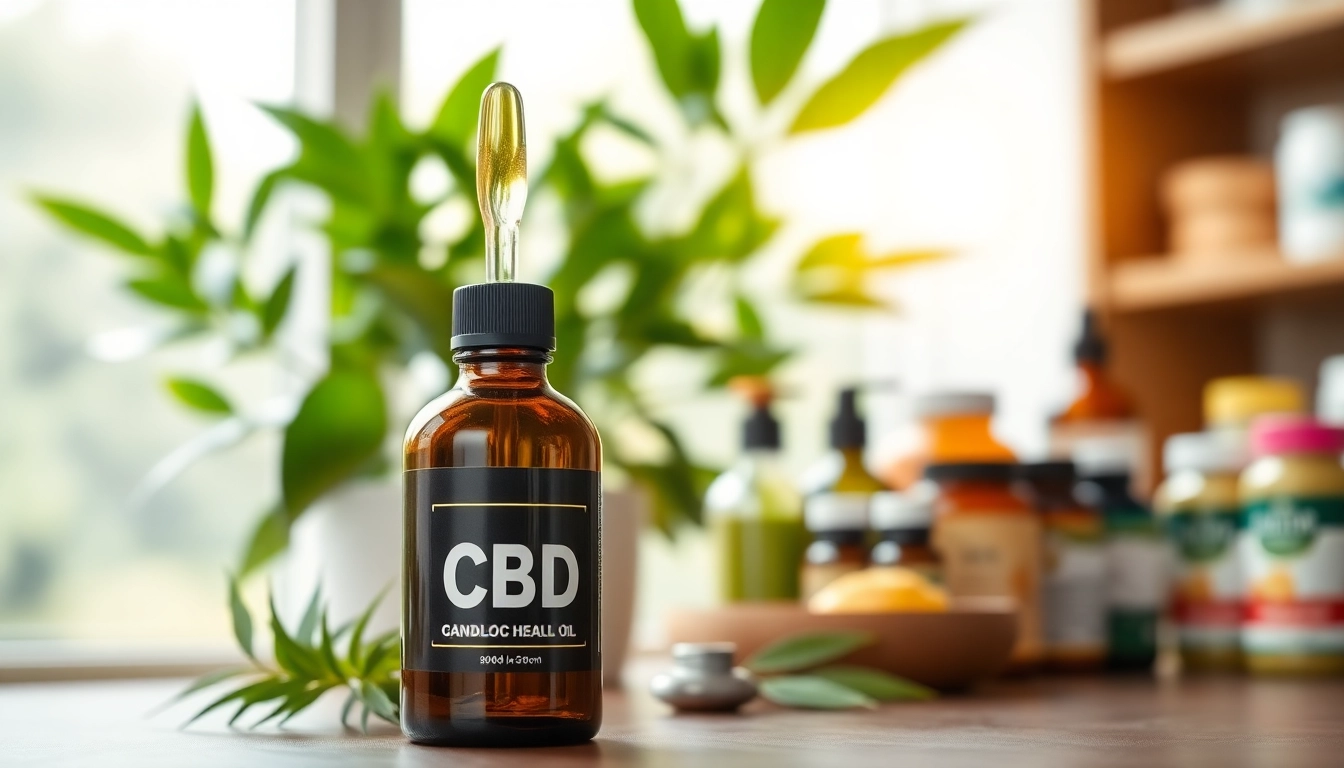
Understanding CBD Oil: What It Is and How It Works
Defining CBD Oil and Its Origins
Cannabidiol, commonly known as CBD, is a compound derived from the Cannabis sativa plant. Unlike its more famous counterpart THC (tetrahydrocannabinol), CBD does not produce psychoactive effects, which means it does not create the sensation of being "high." This quality has contributed to the rising popularity of CBD Oil as a natural remedy for various health concerns. The CBD Oil market has exploded in recent years, with products ranging from oils and tinctures to edibles and topicals.
The origins of CBD can be traced back to ancient cultures that utilized cannabis for medicinal purposes. Modern research began to unlock the potential health benefits of CBD, as scientists discovered its interactions with the human body's endocannabinoid system, a complex system that plays a crucial role in maintaining homeostasis and overall well-being.
How CBD Oil Interacts with the Body
The human body contains an endocannabinoid system (ECS), which is responsible for regulating various physiological processes. CBD interacts with this system by binding to cannabinoid receptors (CB1 and CB2) found throughout the body. This activation helps modulate pain, mood, immune response, and other essential functions.
Research suggests that CBD may influence the release of neurotransmitters, promote anti-inflammatory effects, and even impact the perception of pain and anxiety. By understanding these interactions, users can better appreciate the potential therapeutic effects of CBD Oil.
Common Misconceptions about CBD Oil
Misunderstandings surrounding CBD Oil are widespread, chiefly due to its association with marijuana and THC. Here are some common misconceptions:
- CBD Oil is the same as marijuana: While both products are derived from cannabis, CBD Oil is typically extracted from hemp, which has low THC content, making it non-psychoactive.
- CBD Oil causes addiction: Unlike THC, CBD does not lead to dependency, and research indicates it may help individuals reduce substance use disorders.
- All CBD products are the same: The market is filled with variety. Factors such as extraction methods, purity, and formulations can significantly affect the efficacy of CBD Oil.
Health Benefits Associated with CBD Oil
Relief from Chronic Pain and Inflammation
One of the primary reasons individuals turn to CBD Oil is its potential for managing chronic pain and inflammation. Clinical studies have indicated that CBD may help alleviate pain by interacting with the body’s endocannabinoid receptors, reducing inflammation, and influencing neurotransmitter activity.
This effectiveness in pain management has made CBD Oil a popular option for people suffering from conditions like arthritis, fibromyalgia, and multiple sclerosis. Furthermore, by acting as an anti-inflammatory agent, CBD may address underlying causes of pain rather than merely masking symptoms.
CBD Oil for Mental Health: Anxiety and Stress Relief
The anxiety-relieving properties of CBD Oil have garnered significant attention in both clinical and community settings. Several studies suggest that CBD can help reduce anxiety levels by affecting serotonin receptors in the brain. The calming effects of CBD Oil have been reported by users, making it a potential natural alternative to traditional anxiety medications.
Moreover, CBD is often utilized for managing stress and enhancing overall mood. Individuals dealing with stress-related disorders, such as PTSD, may find that incorporating CBD Oil into their routine can provide necessary relief and improve their quality of life.
Potential Benefits for Sleep Disorders
For many, achieving restful sleep can be a persistent challenge. Research has shown that CBD Oil may positively influence sleep patterns, with anecdotal evidence supporting claims that it helps individuals fall asleep faster and stay asleep longer. CBD is believed to address some of the root causes of sleep disturbances, including anxiety and chronic pain.
Furthermore, a lower dosage tends to be effective for improving sleep quality without the potential side effects associated with traditional sleeping pills. This holistic approach to addressing sleep disorders renders CBD Oil an appealing option for those struggling with insomnia or restless nights.
How to Choose the Right CBD Oil for You
Factors to Consider When Purchasing CBD Oil
With an increasingly saturated market, choosing the right CBD Oil requires careful consideration of several factors:
- Source of Hemp: Look for products sourced from organically grown hemp to ensure the absence of pesticides, herbicides, and heavy metals.
- Extraction Method: CO2 extraction is considered one of the safest and most effective methods to retain the purity of CBD.
- Formulation: CBD Oil comes in various forms, including full-spectrum, broad-spectrum, and CBD isolates. Understanding the differences is essential for selecting the formula that best meets your needs.
The Importance of Third-Party Testing
Transparency and quality assurance are paramount when it comes to selecting CBD products. Reputable brands provide third-party lab testing, which verifies the cannabinoid content and checks for contaminants such as heavy metals and pesticides. This information not only builds trust but ensures you're consuming a safe and effective product.
Understanding Full-Spectrum vs. Isolate CBD Oil
When selecting CBD Oil, users often encounter terms like full-spectrum and isolate. Full-spectrum CBD includes all cannabinoids found in the cannabis plant, including trace amounts of THC, providing what is often referred to as the "entourage effect," where various compounds work synergistically. Conversely, isolate contains only CBD, making it a suitable choice for individuals who want to avoid THC entirely.
The choice between the two should be guided by personal preferences, tolerance to THC, and specific health goals. Always check the labeling to confirm which type of product you’re purchasing.
Safe Use and Dosage of CBD Oil
Recommended Dosage: What the Research Suggests
Determining the correct dosage of CBD Oil can vary greatly based on individual needs and responses. While there is no universally recommended dosage, research suggests starting at a lower dose and gradually increasing until the desired effects are achieved. A common starting point for beginners is 5-10 mg, taken once or twice daily.
Patients with specific health issues may require higher doses, such as those using CBD for chronic pain or anxiety. Consulting with a healthcare professional experienced in cannabinoid therapy can provide personalized guidance on dosing and product selection.
Potential Side Effects of CBD Oil
While CBD Oil is generally well-tolerated, some individuals may experience side effects, which can include:
- Drowsiness
- Dry mouth
- Changes in appetite
- Diarrhea
Understanding these side effects and how they might interact with other medications is crucial. As a precaution, individuals should always start with a lower dose and monitor their response closely.
Best Practices for Starting Your CBD Oil Journey
As you embark on your CBD Oil journey, consider these best practices for an effective experience:
- Keep a Journal: Tracking your dosage and effects can help you gauge your response over time.
- Stay Informed: Regularly updating yourself on new research and product options can enhance your understanding and effectiveness.
- Consult Professionals: Tapping into the expertise of healthcare providers can help ensure you’re making the best choices for your health needs.
Future Directions in CBD Oil Research
Ongoing Studies on CBD Oil and Health Implications
As the popularity of CBD Oil continues to soar, research into its therapeutic effects expands. Current studies are exploring its efficacy for a variety of health conditions, including epilepsy, neurodegenerative disorders, and even cancer-related symptoms. Continued investment in clinical trials will be vital to gain regulatory approvals and further validate its medical applications.
Emerging Trends in the CBD Oil Market
The CBD Oil market is evolving rapidly, with new trends emerging to meet consumer demands. Innovations may include enhanced formulations, targeted delivery systems (like patches and gummies), and increased focus on sustainability in production processes. Consumers are increasingly looking for products that align with their lifestyle choices, prompting brands to adapt and diversify their offerings.
Conclusion: The Evolving Landscape of CBD Oil
The landscape for CBD Oil continues to evolve, offering significant promise for therapeutic applications. As research expands and the market offers a wider range of products, users can find options tailored to their specific needs. Understanding the science, potential benefits, and responsible usage of CBD Oil can empower individuals to make informed choices about their health.